
By Ashlyn Walter
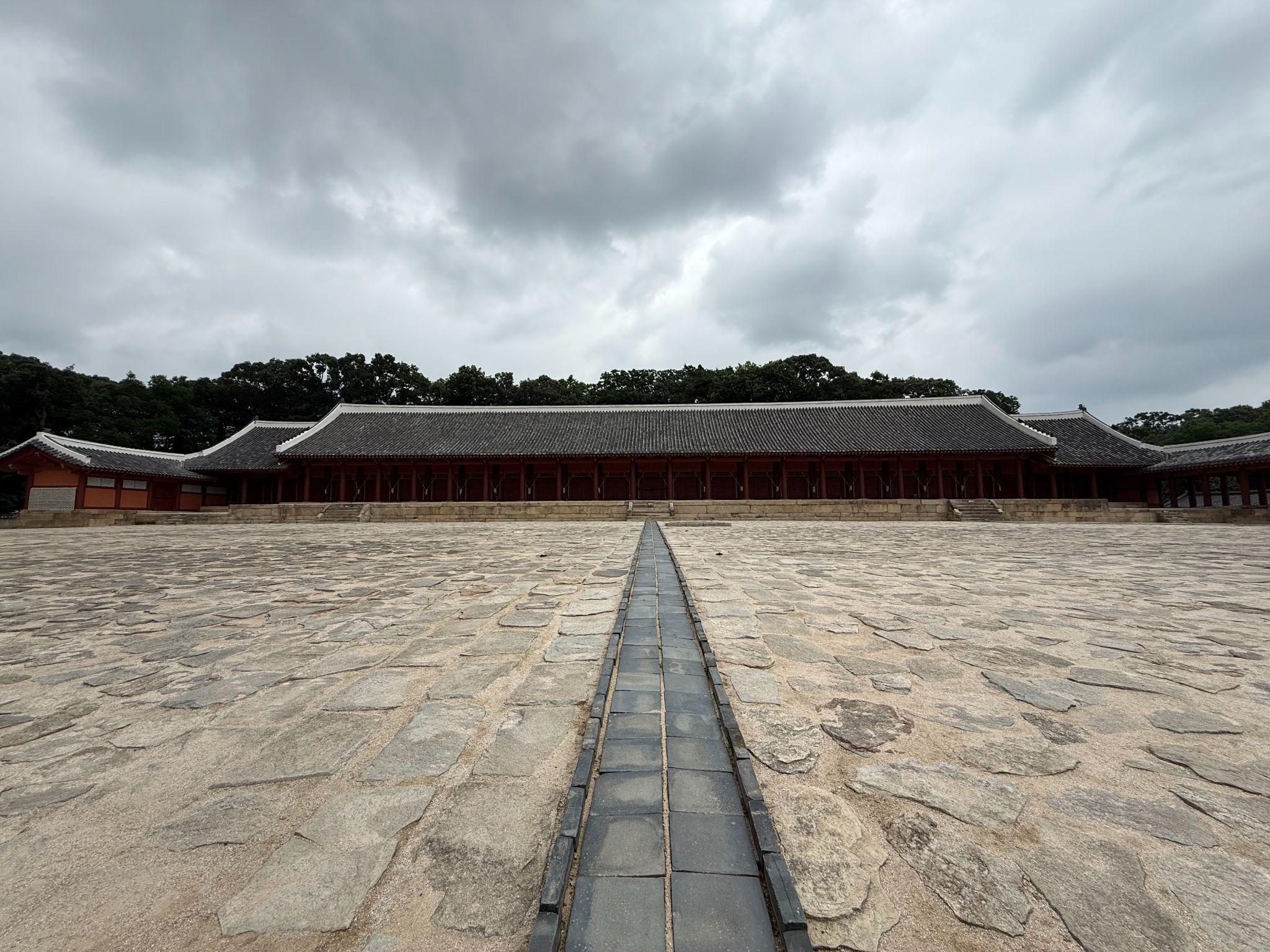
Tucked away in the heart of Seoul, Jongmyo Shrine is one of Korea’s most sacred and historically rich landmarks, and yet it’s often overlooked by casual tourists. As a UNESCO World Heritage Site, Jongmyo isn’t just a beautiful space; it’s a living symbol of Korea’s Confucian traditions and royal legacy. Originally built in the 14th century, the shrine served as the ceremonial site where kings of the Joseon Dynasty honored their ancestors through elaborate rituals that continue to this day. Whether you’re a history lover, cultural explorer, or simply looking for a quiet escape from the city’s hustle, Jongmyo shrine offers a serene and powerful glimpse into Korea’s soul and deserves a spot on any Seoul travel itinerary.
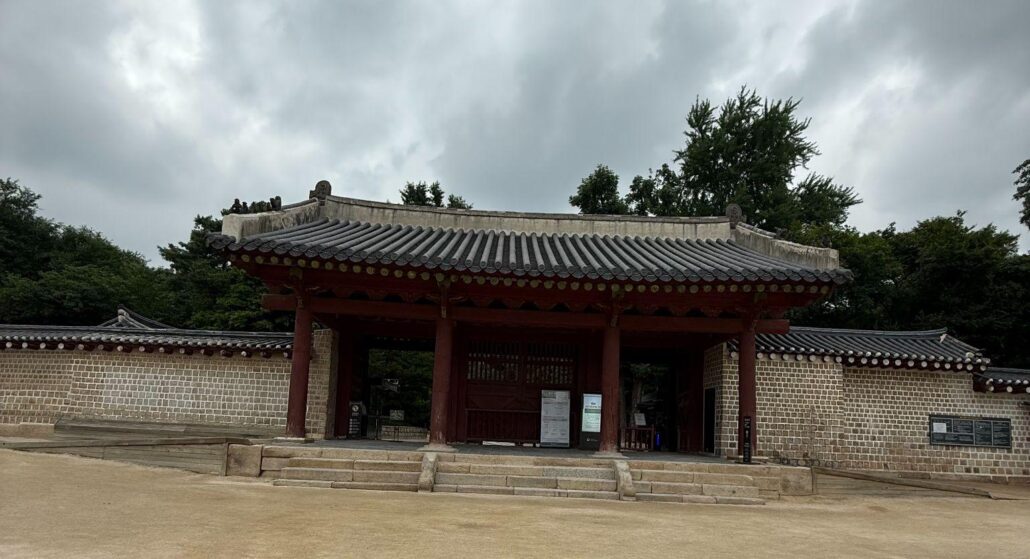
As you approach Jongmyo Shrine, the first thing you’ll see is Oedaemun Gate (the main gate). This is where the shrine’s UNESCO World Heritage qualifications begin, as the gate is officially recognized as part of Seoul’s tangible cultural heritage.

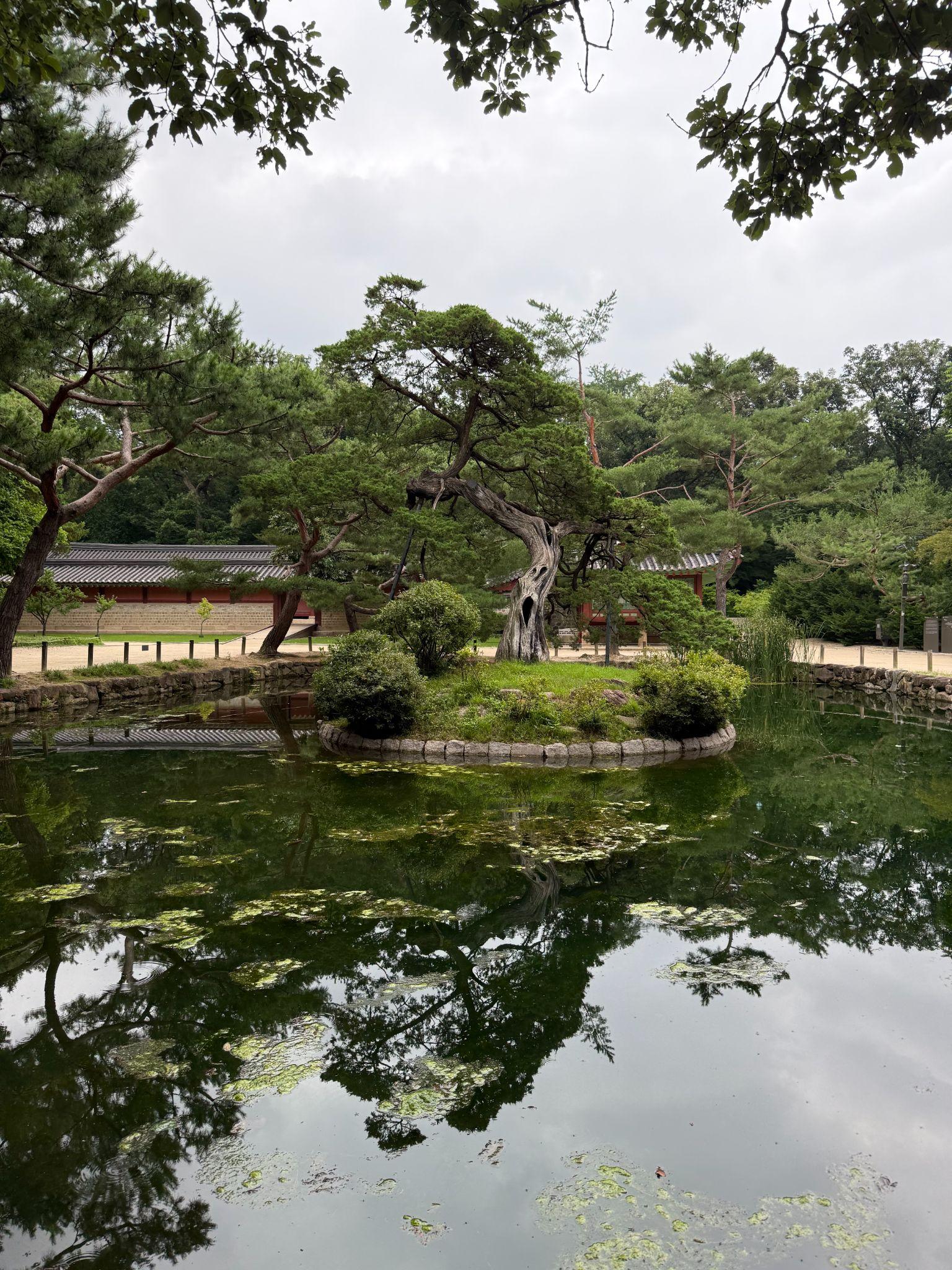
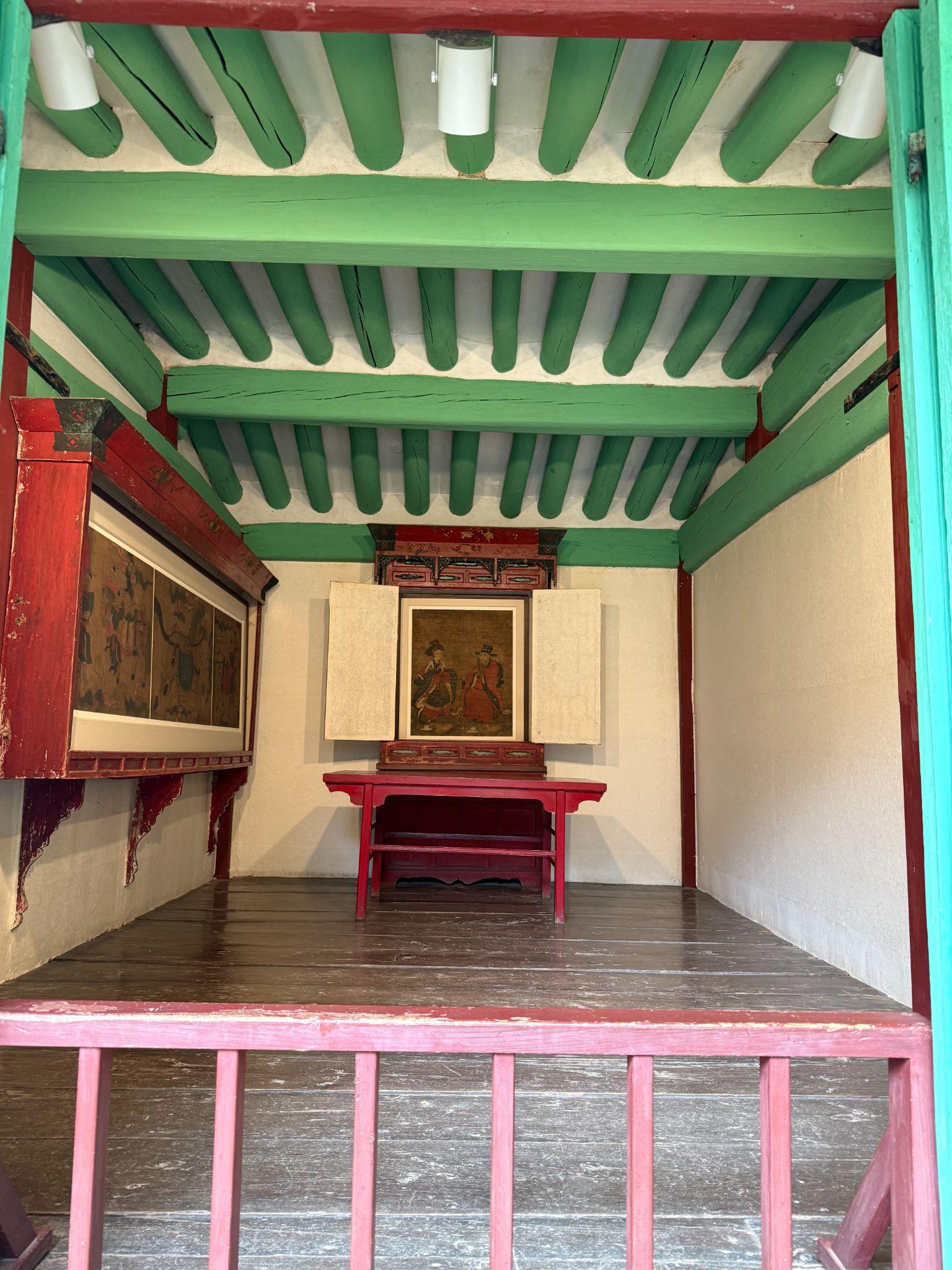
As you pass through the gates, you’ll come across several beautiful ponds before reaching the main buildings. The first structure you’ll see is the shrine dedicated to King Gongmin of the Goryeo Dynasty. Inside, you’ll find a portrait of the king alongside his wife, Queen Indeok, who was a Mongolian princess.
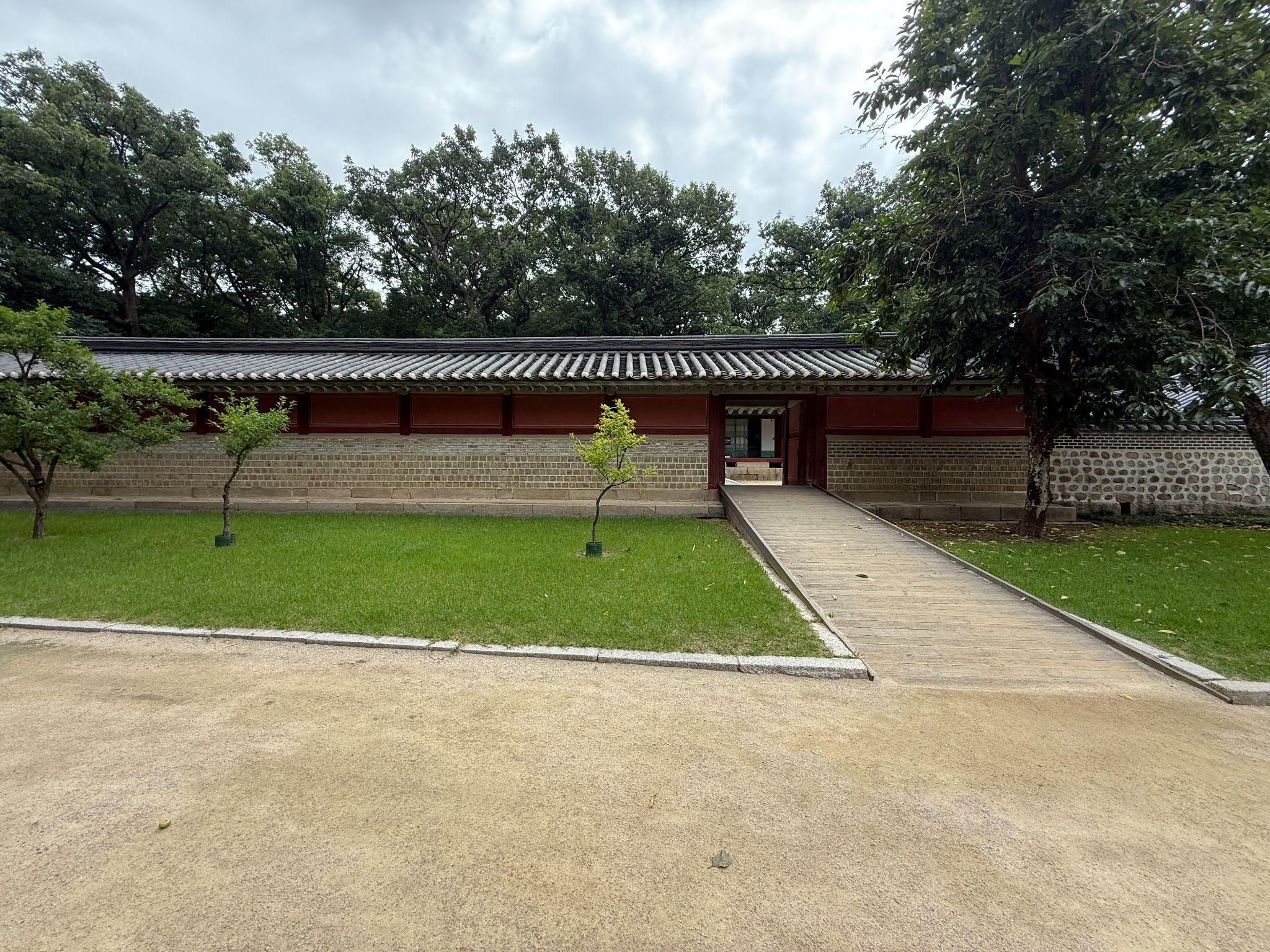
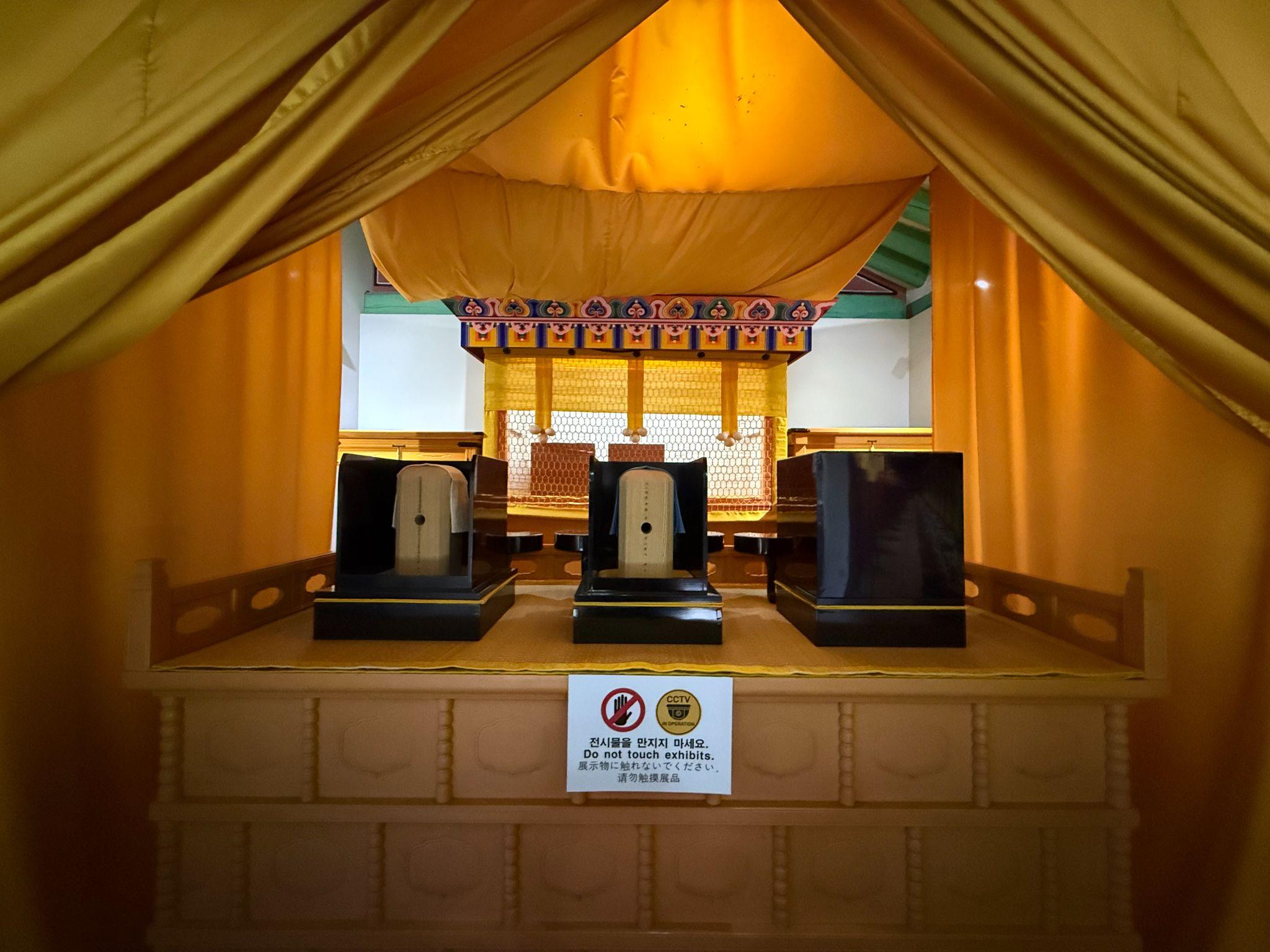

Just a few steps from the shrine, you’ll find Mangmyoru Pavilion and Hyangdaecheong Hall. Historically, the pavilion served as a space where shrine officials prepared before performing the ancestral rites, while the hall was used to store artifacts and incense needed for the ceremony. Today, Hyangdaecheong has been transformed into a small museum. Inside, you can learn about the history of Jongmyo Shrine, its construction, architectural style, and the cultural traditions practiced there. One of the highlights is a pair of viewing screens where you can watch reenactments of the ancestral rites and experience the ritual music, an important intangible part of Jongmyo’s UNESCO World Heritage designation.

After getting a glimpse of what the ancestral rites looked like, you can head over to Jaegung Hall, where the king and crown prince would stay while preparing for the ceremony. The king’s room is located in the center of the courtyard, with the crown prince’s room to the east and a bathing house to the west. This space was used for both physical and mental cleansing before the ancestral rites were performed.
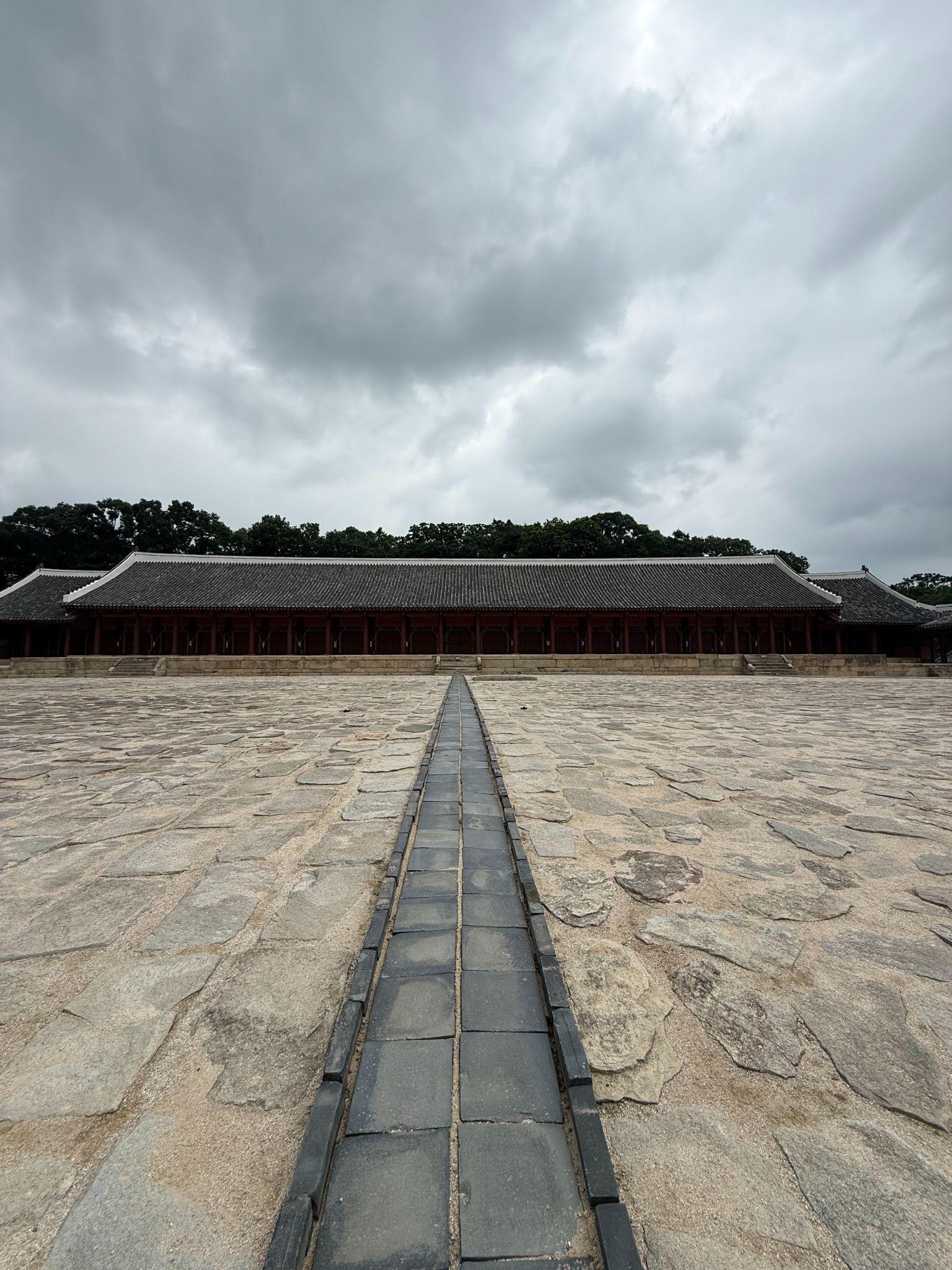
Continuing along the path, you’ll arrive at the heart of Jongmyo Shrine, the main hall, Jeongjeon Hall, where the ancestral rites are still held today. This is the building where the spirit tablets of past kings and queens are enshrined after the traditional three-year mourning period. You can enter the main hall through one of three main gates, with the most commonly used being the south gate. This gate, called Sinmun, is reserved for the spirits, which is why the central stone pathway leads through it. The stone paths connecting the buildings are also meant for the spirits, not for the living. The east gate was used by the king and ritual officials, while the west gate served as the entrance for performers.
Construction History of the Main Hall
- 1395
King Taejo built the main hall with 7 chambers to enshrine the ancestral tablets of the 4 generations of ancestors, which were King Mokjo, Ikjo, Dojo, and Hwanjo. - 1546
King Myeongjong expanded the main hall by 4 chambers (11 chambers in total) - 1592
Jongmyo Shrine was burnt down during the Japanese invasion - 1608
King Gwanghae ascended the throne and rebuilt the main hall with 11 chambers - 1726
King Yeongjo expanded the main hall by 4 chambers (15 chambers in total) - 1836
King Heonjong expanded the main hall by 4 chambers (19 chambers in total)
The Main Hall today has a total of 19 chambers, each varying in age, and together they house 49 spirit tablets of the past kings and queens of the Joseon dynasty. These chambers remain closed to the public at all times; only ancestors and designated ritual officials are permitted to enter during the ceremonies. However, there are still two chances each year to witness the ancestral rites in action: on the first Sunday of May and the first Saturday of November.
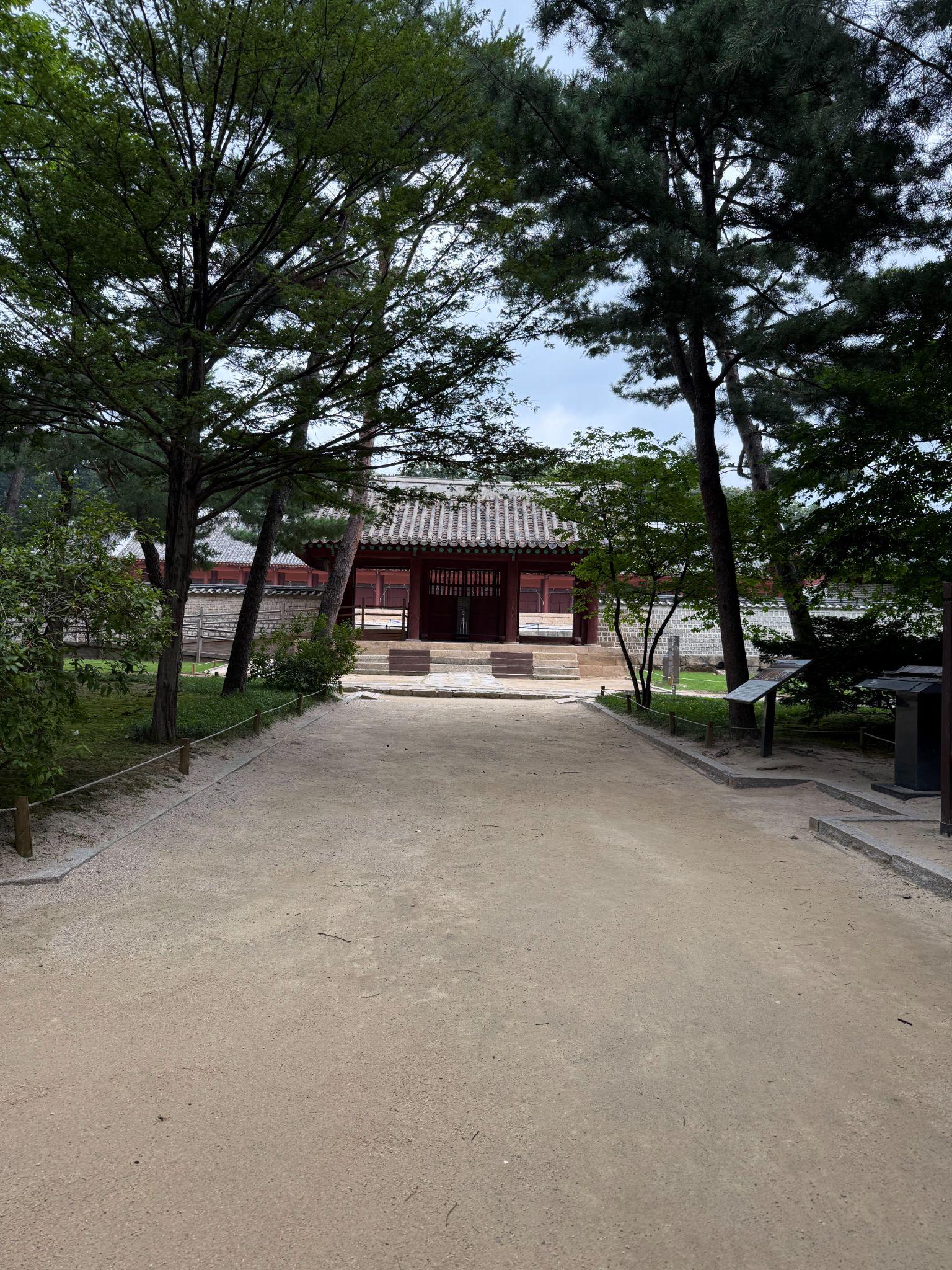
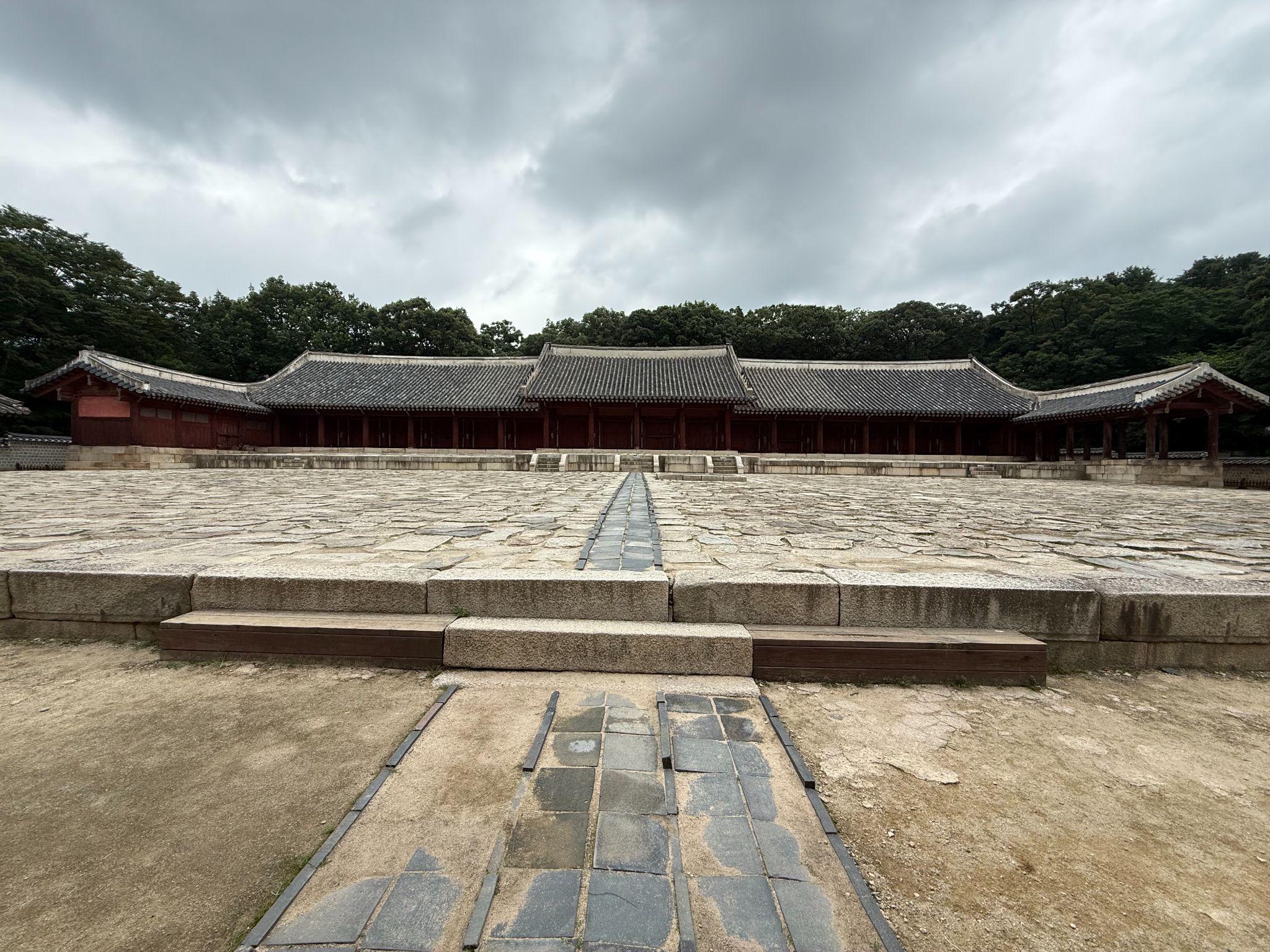
If you exit the Main Hall through the west gate, you’ll arrive at the secondary hall, Yeongnyeongjeon Hall. Like the main hall, it houses spirit tablets of Joseon Dynasty kings. It was built when there was no longer enough space in the main hall to enshrine all the ancestors. Smaller in size, Yeongnyeongjeon contains 16 chambers in total.
Construction history of Yeongnyeongjeon Hall
- 1421
King Sejong built Yeongnyeongjeon Hall with 8 chambers - 1592
Jongmyo Shrine was burnt down during the Japanese invasion - 1608
King Gwanghae ascended the throne and rebuilt Yeongnyeongjeon Hall with 10 chambers - 1667
King Hyeonjong expanded Yeongnyeongjeon Hall by 2 chambers (12 chambers in total) - 1836
King Heonjong expanded Yeongnyeongjeon Hall by 4 chambers (16 chambers in total)
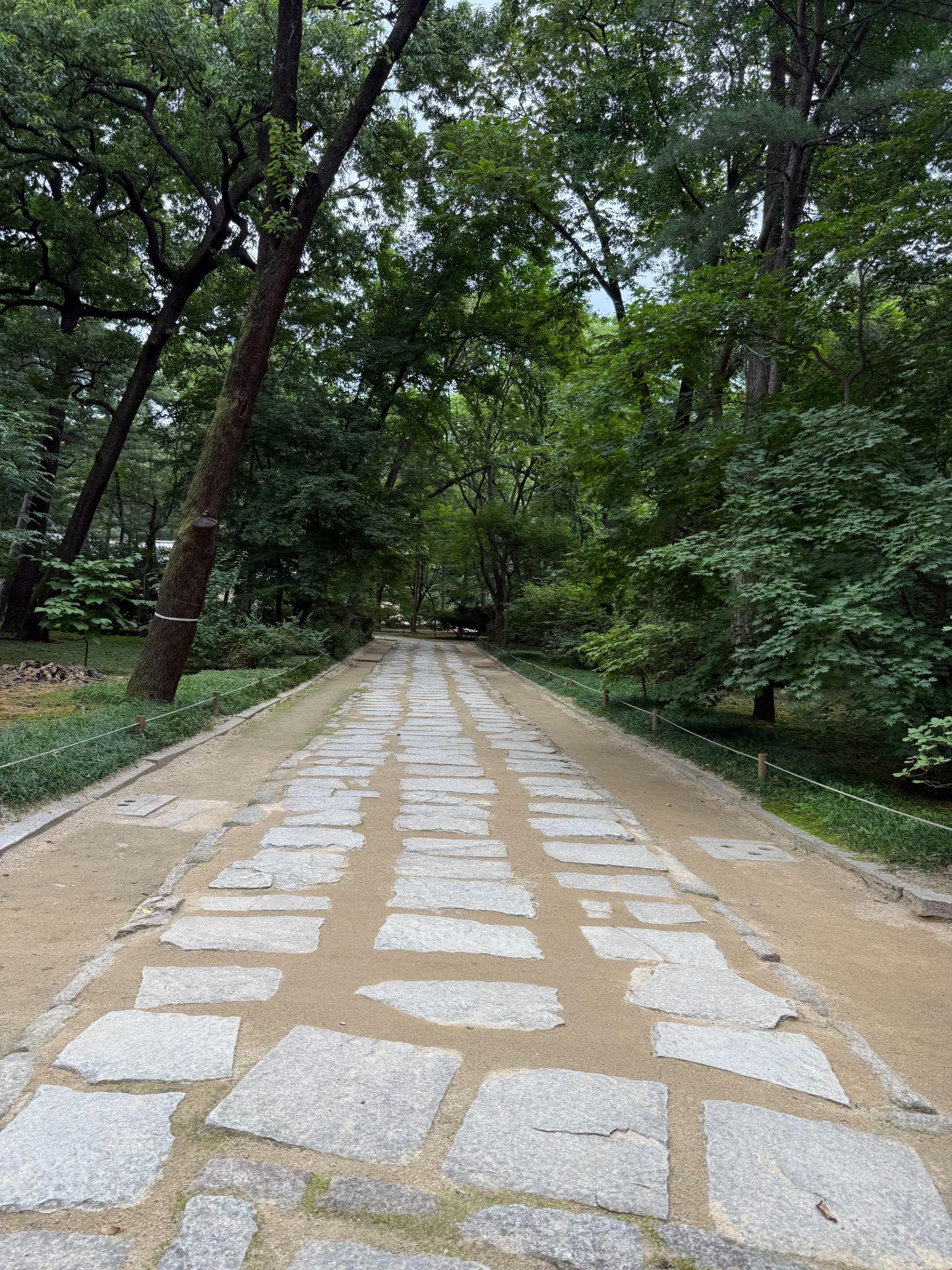
A visit to Jongmyo Shrine offers a rare opportunity to step into Korea’s royal past and experience one of the country’s most sacred traditions. From its beautifully preserved architecture to the deeply rooted rituals still performed today, Jongmyo is more than just a historical site; it’s a living piece of cultural heritage. And perhaps the best part? Admission is just 1,000 won, making it one of the most affordable ways to explore a UNESCO World Heritage Site right in the heart of Seoul.
Address: 157, Jong-ro, Jongno-gu, Seoul
Hours:
Sunday 9 AM – 5 PM
Monday 9 AM – 5:30 PM
Tuesday Closed
Wednesday 9 AM – 5:30 PM
Thursday 9 AM – 5:30 PM
Friday 9 AM – 5:30 PM
Saturday 9 AM – 5 PM
If you would like to learn about more places to visit in South Korea, feel free to visit our website adventurekorea.com, or email us at info@adventurekorea.com!
You can also check our social media:
Facebook: https://www.facebook.com/adventurekorea
Instagram: https://www.instagram.com/adventure.korea
LinkedIn: https://www.linkedin.com/company/adventure-korea


